






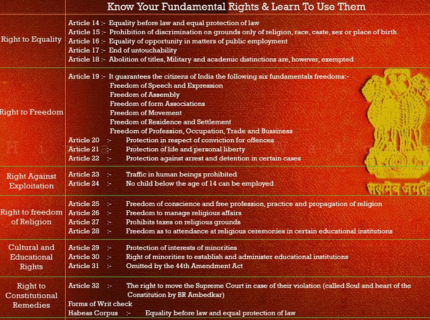


Filing a case in the Delhi High Court may seem overwhelming at first, but with a clear understanding of the process, you can approach it confidently and efficiently. Whether you are an individual, a business, or a legal representative, knowing the right steps can save time, effort, and unnecessary complications. Here’s a complete guide to help you navigate the process smoothly.
1. Understand the Jurisdiction and Case Type
Before filing, determine whether your case falls under the jurisdiction of the Delhi High Court. This court handles both civil and criminal matters, writ petitions, appeals, company matters, and intellectual property cases, among others. If your dispute involves a significant monetary claim or a constitutional issue, it likely qualifies for the High Court’s jurisdiction.
2. Consult a Qualified Lawyer
Engaging a lawyer who practices in the Delhi High Court is crucial. They will help assess your case’s strength, prepare documents correctly, and ensure compliance with procedural laws. Experienced advocates understand the nuances of filing, court etiquette, and hearing schedules, which can make a big difference in your case’s outcome.
3. Drafting the Petition or Case Documents
The next step involves drafting your petition, affidavit, or appeal. Each document must include all relevant facts, legal grounds, and supporting evidence. The format and structure must adhere to the Delhi High Court Rules. Missing or incomplete details may cause delays or even rejection of the filing. It’s best to have your lawyer review every document carefully before submission.
4. Attaching Required Documents and Fees
Along with your petition, you must attach supporting documents such as identity proof, relevant contracts, prior correspondence, and other evidence. You’ll also need to pay the prescribed court fee, which varies based on case type and claim value. Payment can often be made online through the Delhi High Court’s e-filing system or at the court counter.
5. Filing the Case (Physical or E-Filing)
The Delhi High Court allows both physical filing and e-filing of cases. Through the e-filing portal, you can submit petitions, pay fees, and track your case online. This system saves time and provides transparency. Once your documents are filed, you’ll receive a filing number that allows you to monitor the case status.
6. Scrutiny by the Court Registry
After submission, the court registry reviews your petition for accuracy, formatting, and completeness. If there are any discrepancies, the registry will issue objections that must be rectified before the case can proceed. Your lawyer can address these promptly to avoid delays.
7. Case Number Assignment and Listing for Hearing
Once the registry approves your filing, the case is officially registered, and a case number is assigned. The matter is then listed before the appropriate bench for hearing. The first hearing may involve preliminary arguments, where the court decides whether the case is maintainable and sets further dates for detailed hearings.
8. Notice to the Opposite Party
The court issues a notice to the opposing party, giving them the opportunity to file their reply or counter-affidavit. This ensures a fair hearing where both sides are given equal opportunity to present their arguments.
9. Hearings and Final Judgment
During hearings, both parties present their evidence, witnesses, and legal arguments. Depending on the complexity of the case, multiple hearings may take place. After reviewing all submissions, the court delivers its judgment, which may be oral or written.
10. Post-Judgment Remedies
If you are dissatisfied with the decision, you may file an appeal before the Supreme Court of India, subject to eligibility. Alternatively, if minor corrections are needed, a review petition can be filed within the High Court itself.
Final Thoughts
Filing a case in the Delhi High Court requires attention to detail, adherence to legal procedures, and professional guidance. Whether you’re seeking justice in a civil dispute, protecting your intellectual property, or challenging a government action, proper preparation is the key to a successful outcome. Always rely on a competent lawyer and make sure every step—from drafting to hearing—is handled with precision and care.